
YOU AND UV: WHY SUN PROTECTION IS ESSENTIAL FOR YOUR EYES
Shining a Light on UV
With our proximity to the equator, clear skies, and Earth’s elliptical orbit bringing us so close to the sun during summer, Australia experiences some of the highest ultraviolet (UV) radiation levels in the world.
Sunlight is great for regulating our circadian rhythm, boosting vitamin D and supporting the immune system, among other benefits, however, too much exposure can be incredibly harmful in the long run. And, while bright red sunburns are a painful and potent reminder to cover our skin, it can be easy to forget that your eyes are similarly vulnerable to UV damage.
Excessive exposure can cause short term issues such as irritation and light sensitivity, but not all damage is obvious, and ongoing exposure over time increases your risk of many eye diseases. For this reason, sunglasses are not just fashionable accessories but vital tools for preserving eye health.
Risks of UV Exposure
UV damage is cumulative, and while the effects may not show immediately, many conditions develop slowly and silently, making early and consistent prevention critical.
CATARACTS
A cataract occurs when the lens in your eye becomes cloudy as the proteins within break down. This is often the result of aging, however other factors sometimes contribute to cataract formation – including repeated UV exposure. Protecting your eyes from sunlight can slow development and help preserve good vision.
OCULAR MELANOMA
There are several types of eye cancer, however, the most common is ocular melanoma. Just as UV exposure increases risk of melanoma on your skin, the same is true for your eyes, where it can affect the middle layer (uvea) or surface (conjunctiva). Periocular skin cancers can also occur in the area around your eyes, including eyelids, affirming the need for protective eyewear.
PINGUECULA & PTERYGIUM
Long-term exposure to UV rays, wind and dust can cause growths to form on the conjunctiva, common in surfers, skiers and farmers. A pinguecula is a harmless yellowish bump typically made up of protein, fat or calcium, while a pterygium is a growth of fleshy tissue and blood vessels. Although usually harmless, a pterygium can sometimes extend onto the cornea, affecting vision and requiring removal.
PHOTOKERATITIS
Short-term but painful, photokeratitis can be thought of like a sunburn to the cornea and conjunctiva, resulting in a range of uncomfortable symptoms from redness and swelling to headaches, blurriness and light sensitivity. The condition often occurs after exposure to intense UV light reflected off surfaces such as ice, snow, water and sand. Even beneath shade, the reflected rays can be powerful enough to warrant protection.
Protection and Precaution
No matter the season, eye safety must be observed. A few key tips to keep in mind include:
- Wear a hat and sunglasses. The Cancer Council states that combining a broad-brimmed hat with appropriately protective sunglasses can reduce UV exposure by up to 98%. Simple, yet effective, it’s an essential habit for people of all ages, including babies and children who are especially sensitive.
- Never look directly at the sun and take precaution around solar eclipses. Sunglasses do not provide adequate protection during a partial eclipse and staring at the sun without specially designed filters can result in permanent damage to the retina (solar retinopathy).
- Avoid tanning beds. The same risks posed by outdoor sunlight are present and often amplified in solariums as they may deliver UV levels up to 100 times that produced by the sun, causing damage to your eyes and eyelids.
What to Look for in Sunglasses
While sunglasses are often chosen for their fashion appeal, it’s important to also understand the qualities which determine their protectiveness. Not all eyewear offers adequate defence, and improper sunglasses can create a false sense of security.
For reliable protection:
- Always choose lenses labelled with a category of 2, 3 or 4 according to the Australian Standard AS/NZS 1067.1:2016 which absorb most UV radiation.
- Consider polarised lenses for effective glare reduction, especially off roads, snow and water.
- Select a sunglasses style which will deliver comprehensive protection – ideally a close-fitting, wrap-around frame to shield your periphery from UV rays.
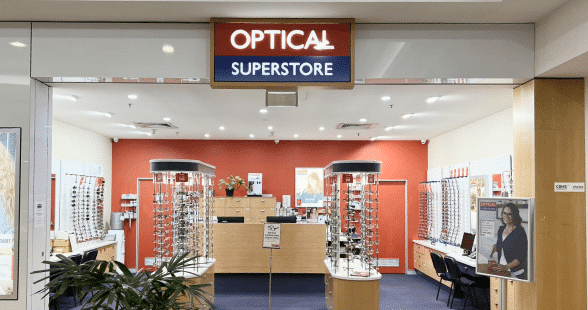
Be Sun Smart with Optical Superstore
Optical Superstore has so much to offer when it comes to reliable, stylish eyewear to keep you protected throughout summer and beyond. With prescription, polarised, photochromatic options and more, our high-quality lenses can be tailored to your unique vision needs.
Explore our range online or visit your nearest store and let our experienced team find the perfect fit for your face and lifestyle so you can safely enjoy all your outdoor hobbies.
REFERENCES:
American Academy of Ophthalmology:
https://www.aao.org/eye-health/tips-prevention/sun
Cancer Council:
https://www.cancer.org.au/about-us/policy-and-advocacy/prevention/uv-radiation/related-resources/eye-protection
Eye Research Australia: