
June 8 2026 World Oceans Day Has Passed. The Conversation Hasn’t.
Every year on 8 June, the world pauses briefly to think about the oceans. This year was no different. Social feeds filled with blue, beach clean-up crews turned out along coastlines, and organisations across industries took a moment to ask what role they play in the health of the waterways that cover more than 70% of our planet.
We missed the date for this one. It happens. But here’s what we’ve come to think about awareness moments like World Oceans Day. The conversation they start doesn’t have an expiry date. The plastic entering our oceans certainly doesn’t.
So, consider this a slightly late contribution, but one that is all about continuing the conversation when the noise dies down.
Why the Conversation Matters Every Day
The scale of ocean plastic pollution is one of those facts that resists easy comprehension. Millions of tonnes enter marine environments each year. A meaningful portion of it consists of hard-to-recycle plastics. These are materials that conventional recycling infrastructure simply can’t process, and therefore, as they break down into smaller components, potentially make their way through the waste stream toward waterways almost by default, (at the very least) end up in the growing landfill deposits across the globe.
This is the category that matters most for anyone trying to do something genuinely useful about ocean plastic, rather than something that looks useful. Collecting and recycling easily processed plastics is relatively straightforward. Finding productive uses for the materials that standard systems reject is harder and more important.
Hard-to-recycle plastics aren’t hard to recycle because of some inherent material stubbornness. They’re hard to recycle because the infrastructure and demand for processing them at scale haven’t existed. That’s starting to change.
Where Eyewear Comes into It All
The eyewear industry is not historically known for its environmental credentials. Frame production consumes significant quantities of acetate. A cellulose-based plastic that, in its traditional form, is derived partly from fossil materials and is not easy to recover at end of life. Multiply that across hundreds of millions of frames produced each year globally, and the material footprint is considerable.
Which is why developments in eyewear materials over recent years are worth paying attention to. Acetate Renew developed by Eastman using a molecular recycling process. Breaks down waste plastics, including materials that conventional recycling can’t handle, to their molecular level, then reassembles those molecules into new acetate that is physically and chemically identical to the traditional material. No compromise in quality. No compromise in aesthetics. A meaningful reduction in the use of virgin fossil-derived inputs.
The process handles exactly the category of material that can potentially end up in waterways when conventional infrastructure turns it away.
Molecular recycling doesn’t just divert plastic from landfill.
It creates demand for collecting and processing materials that
would otherwise have nowhere to go, thereby changing the
economics of recovery at scale.
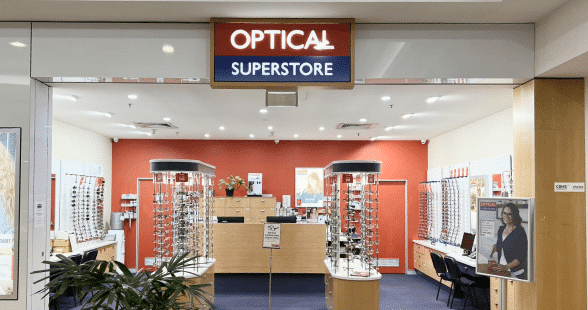
Phoenixed: What it Means in Practice at Optical Superstore
Our in-house brand Phoenixed was built around this problem. The name is deliberate, these are frames made from materials that have been through the process once already, given back their utility and their form. Hard-to-recycle plastics, recovered and remade into eyewear that wears well and lasts.
It’s a small contribution in the context of global ocean plastic. We’re not going to pretend otherwise. But small contributions that are structurally sound create genuine demand for recovering the right materials compound in ways that symbolic gestures don’t.
Every Phoenixed frame represents a real diversion of material that the standard recycling stream wouldn’t have taken. Across a customer base the size of Optical Superstore’s, that adds up.
The Big Opportunity for Us All with World Oceans Day
World Oceans Day works best when it prompts decisions that outlast the date. Not a single beach clean-up (though those matter) but a durable shift in what people reach for when they have a choice and an honest curiosity about what the products we buy are actually made of.
Eyewear is something most prescription wearers buy multiple times across a lifetime. The material choices embedded in those purchases made by brands and made by customers are not inconsequential. The industry is changing slowly, and consumer interest in where that change is happening is part of what accelerates it.
If you’re due for a new pair, it’s worth asking the question.
See the Phoenixed Range in Store
The Phoenixed collection is available in Optical Superstore locations nationally. Visit your nearest store to see the range or speak with our team about sustainable frame options across our full selection.