




Enjoy the freedom of glasses-free vision with contact lenses. A convenient and versatile option, great for staying active and feeling confident in any setting.
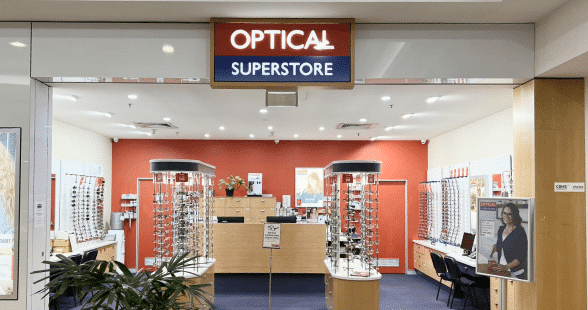
To place an order, simply visit or phone your nearest store, where our team will be happy to assist. Delivery is often available for a fee; however, customers wishing to claim through their health fund will need to collect their order in-store.
First-time contact lens wearers must see an optometrist before lenses can be purchased, and periodical reviews are required thereafter to ensure eye health and safety. Appointments are available with tenant optometrists at all Optical Superstore locations and can be easily booked through our website here.
At The Optical Superstore, we supply a range of leading contact lens brands, including options for daily wear, extended wear, astigmatism, presbyopia, and coloured lenses for fashion use.
Contact lenses provide flexibility for sportspeople, special occasions, and potentially improved vision for patients with high prescriptions. With a wide range of lenses available, tenant optometrists at The Optical Superstore will consider your vision needs and lifestyle to recommend the best option.
Unfortunately, not every glasses-wearer is a candidate for contact lenses. Your optometrist will determine your suitability with an initial consultation, where they will assess your eye health and discuss your options.
Initial Consultation
The first step is attending a comprehensive eye test with an optometrist, often bulk billed to Medicare, in which they will assess whether you’re a suitable candidate for contact lenses. Your optometrist will evaluate your eye health and optical prescription, take measurements of your eyes, and discuss lifestyle factors that may influence how you use the lenses.
Fit & Teach
In the following consultation, your optometrist will instruct you on necessary insertion and removal skills as well as explain best practice for keeping your lenses clean and your eyes safe. Once you’re comfortable with the process, you will be provided with a small supply of FREE trial contact lenses to practice wearing at home. This consultation in most cases will incur a small out-of-pocket fee.
Fitting Review
Finally, you’ll be asked to return with the lenses already inserted into your eyes so your optometrist can assess their fit and any concerns can be addressed, including providing more trial lenses if needed. When both you and your optometrist are satisfied with the comfort and clarity of the chosen contact lenses, you’re free to proceed with placing an order!
There are many types of contact lenses designed to suit different vision needs and lifestyles. Your optometrist will recommend the most suitable option based on your prescription, eye health and daily routine.

Disposable lenses are the most common lenses utilised in Australia. Daily disposables are worn once and then discarded, making them a convenient, low-maintenance option ideal for occasional wear, sports or travel. Other disposal lenses are designed to be cleaned daily and reused over a set period, often a fortnight or a month, and require ongoing careful cleaning and storage.

Rigid gas-permeable lenses are more complicated to fit than disposable varieties and are favoured for complex prescriptions and more advanced eye conditions. Made from rigid yet highly breathable materials, they may be suitable for overnight wear, myopia control and improving vision in patients with keratoconus and other corneal pathologies. They can take longer to adjust to and may require more appointments to achieve the optimum fit. Since they are reusable, proper cleaning and storage are essential.

Toric lenses are specifically designed to correct astigmatism while also accounting for any myopia or hyperopia in your prescription. They come in soft or rigid gas-permeable options – your optometrist will help find the ideal design for you.

Multifocal contact lenses correct vision at multiple distances, making them a good option for people with presbyopia (the loss of near vision with age). They are available in disposable and RGP options, featuring different configurations of near, intermediate and distance vision zones which work together to provide clear sight. If you currently only need reading glasses, these contact lenses may be a great option for you.

The process of inserting and removing contact lenses can seem daunting at first, but with patient practice and the guidance of a qualified optometrist, most people can quickly develop the skills.
Since contact lenses sit directly on your eye, they carry some risks that glasses do not, making proper hygiene paramount for maintaining eye health. Improper handling or inadequate cleaning can put you at risk of discomfort and eye infections.
In a contact lens consultation, your optometrist will discuss how to best care for your lenses – especially those with longer wear times, which must be cleaned regularly – and you can always ask them to repeat or further explain instructions during follow-up appointments.
Contact lens prescriptions typically expire after 12 months and must be renewed by an optometrist before lenses can be reordered. Validity is shorter than most eyewear prescriptions because the risks to your eyes are more severe, with potential complications including dryness, inflammation, infections, corneal ulcers and corneal abrasions.
In your review appointment, an optometrist will monitor your eye health as well as the comfort and the visual performance of your lenses. This allows them to detect early signs of irritation or infection, update your prescription if your eyes have changed, correct bad habits where necessary, and address any concerns you may have.
Yes, contact lenses are often an excellent solution for sportspeople, offering better freedom of movement, peripheral vision, and safety than most other eyewear. Unfortunately, they are generally unsuitable for water sports, and your optometrist may suggest alternative options.
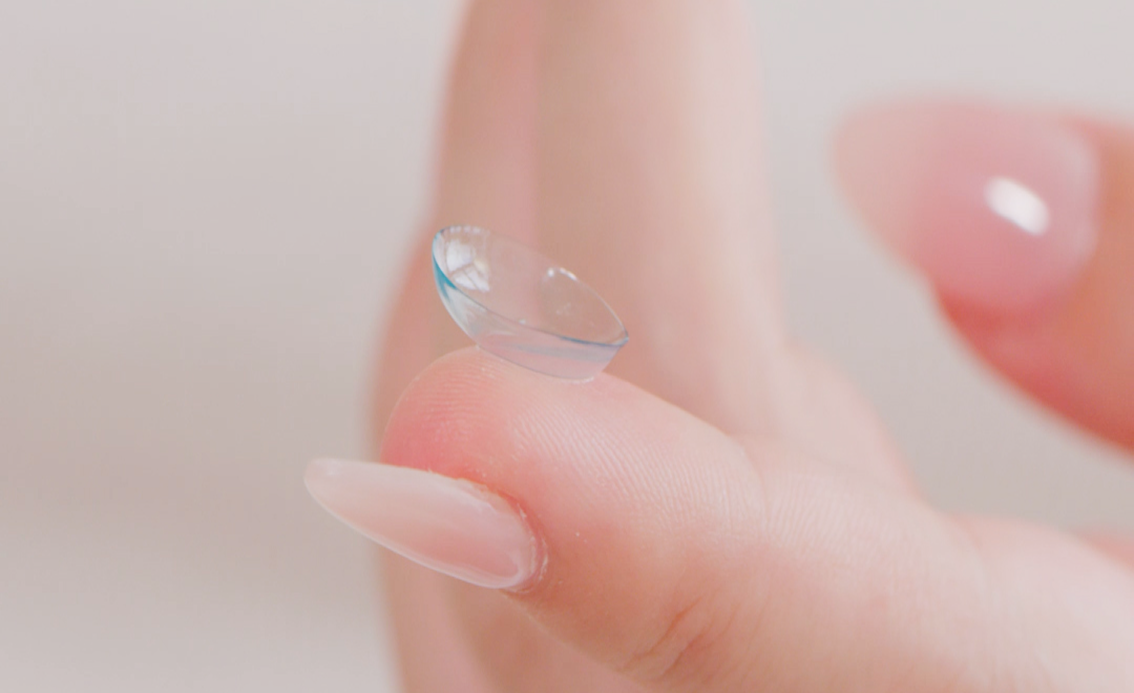
Place the lens on the tip of your finger and look closely at it – it should resemble a regular semicircle. If you notice the edges flaring outward, like the lip on a bowl, it is likely to be inside out, and you should carefully invert the lens before inserting.
Contact lenses sit directly on your eye, rather than at a small distance from your eye as with standard spectacles, impacting the effective power of the prescription and requiring different measurements in your prescription in relation to the contact lens parameters. Additional details such as the recommended lens design and brand are also noted to ensure clear vision and a comfortable fit.
Contact lenses are designed for comfort, and your optometrist will do their best to find the most suitable fit for your eyes. The sensation may take some getting used to initially, especially with RGP lenses, but most people adjust quickly. Dry eye, allergies and other factors may cause irritation at times. In these cases, allowing your eyes a short break from contacts and using lubricating drops can often ease discomfort. If the feeling persists, speak to an optometrist.
Yes, coloured contacts are available to be ordered in-store. Even if you don’t need a prescription, a contact lens consultation is still required before ordering coloured lenses to check eye health, ensure a comfortable fit, provide hygiene instructions, and teach the necessary insertion/removal skills.
If your lens feels stuck, be patient and avoid panic. Try blinking, gently massaging your eyelid, and applying lubricating drops. You should then be able to gently slide it to the white of your eye where it can then be softly squeezed and removed. If the issue persists, seek professional help – do not use tweezers, fingernails or sharp objects to grasp the lens as these may scratch your cornea.
Yes, eye makeup like mascara can be worn with contacts. Inserting lenses before applying makeup allows you to see more clearly and helps you avoid getting make up on your contact lenses which can cause irritation. Also, try removing contacts before removing your makeup.
All major health funds accepted.