How 3D Glasses Work: The Science of Seeing Depth on a Flat Screen
Have you ever slipped on a pair of 3D glasses at the cinema and wondered how they make a flat screen look like it has depth?
The answer isn’t movie magic—it’s science. 3D glasses take advantage of the way our eyes and brain naturally work together to create depth perception. Here’s how it all comes together.
A Short History
The idea of adding depth to moving pictures is older than most people realise. Back in 1889, English inventor William Friese-Greene created the first three-dimensional motion pictures using an anaglyph method. A few years later, his experiments were shown publicly in London using a stereoscope headset—though audiences weren’t quite ready for it.
In 1922, the first commercial 3D movie, The Power of Love, was shown in Los Angeles. Using red and green lenses, the system allowed viewers not only to see depth but even to choose between two endings by looking through one lens or the other.
3D films had a boom in the 1950s with titles like Bwana Devil, then enjoyed another burst of popularity in the 1970s and 80s. But the most significant resurgence came in the early 2000s, thanks to new digital technology and blockbuster releases like James Cameron’s Avatar (2009).
From bulky headsets to coloured lenses, and now the sleek polarised and digital systems used today, the technology has been steadily refined over more than a century.
How Our Eyes See Depth
Our eyes are positioned a small distance apart, which means each one sees the world from a slightly different angle. This difference—called binocular disparity—gives the brain the information it needs to calculate depth. By merging the two images, the brain creates a single picture with a sense of three-dimensional space.
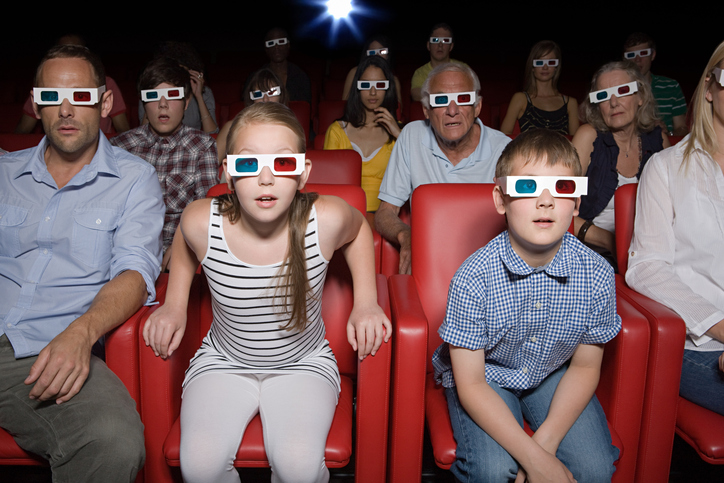
3D films copy this process by displaying two slightly different versions of the same scene at once. The role of 3D glasses is to make sure each of your eyes only sees the image meant for it. Your brain does the rest, merging them into a picture that feels like it has depth, even though the cinema screen itself is flat.
Different Types of 3D Glasses
Anaglyph Glasses
The classic red-and-cyan glasses work by filtering colour. One lens blocks red while the other blocks cyan, allowing each eye to see only one of the two images on screen. Your brain merges them, producing a 3D effect.
The downside? Colours are distorted. That’s why this style has mostly been replaced by polarised systems in modern cinemas.
Polarised Glasses
Most cinemas today use polarised 3D glasses. These look more like tinted sunglasses but are designed to filter light waves. Two projectors show images with different light orientations—one angled for the left eye and one for the right. Each lens in the glasses only allows its matching orientation through, so each eye receives its version of the film.
The big advantage here is colour quality. Because the images aren’t colour-filtered, movies look much more natural compared to the old red-and-cyan method.
Active Shutter Glasses
Used more often in home theatres and gaming, shutter glasses take things further. They have LCD lenses that rapidly open and close in sync with the screen, so each eye is shown alternating frames. It happens so quickly that the switching is invisible, but the effect is a sharp, full-colour 3D image.
Your Eyes and 3D Vision
3D glasses work because they build on the way your eyes already process depth. For most people, this is seamless. But some eye conditions—like reduced vision in one eye, or issues with binocular coordination—can make it harder to experience 3D effects clearly.
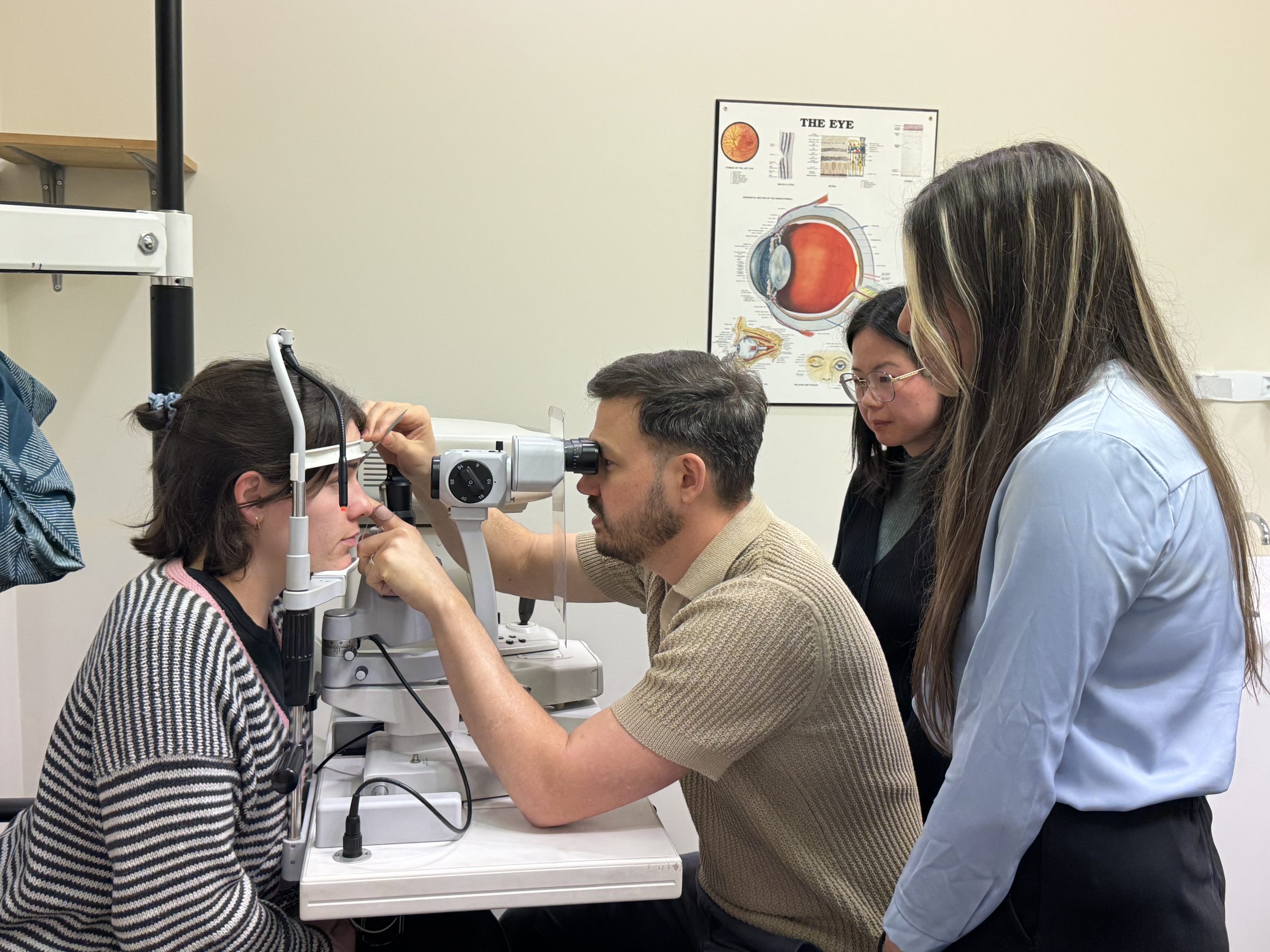
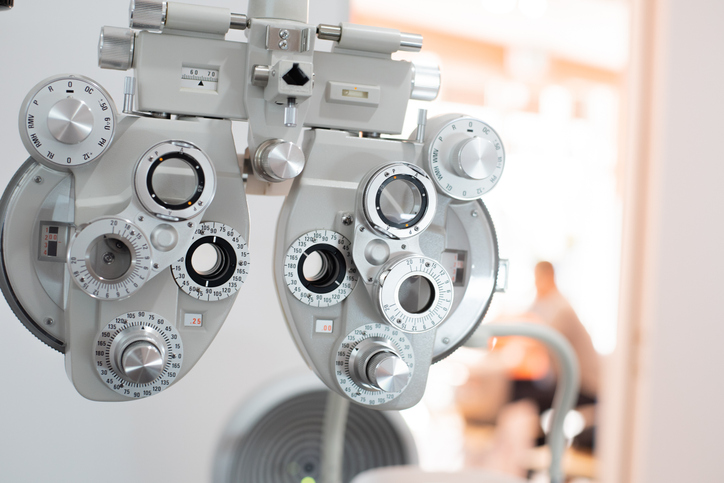
This is where an eye test can help. During a comprehensive eye exam, an optometrist can check how well your eyes work together. Tests for depth perception, eye alignment, and visual fields give a fuller picture of your eye health.
Why It Matters
Watching a film in 3D is just one reminder of how complex and amazing your vision really is. Your eyes and brain work together constantly—not only at the movies, but in every part of your daily life. Looking after that partnership is important.
At Optical Superstore, we work with independent optometrists who provide comprehensive eye tests in-store. If it’s been a while since your last check-up, or if your child is experiencing vision issues, booking an appointment is a great way to make sure everything is working as it should.
Your Eyes are Incredible—Look After Them
3D movies are a fun reminder of how powerful your vision really is—but your real-world eyesight matters even more. A comprehensive eye test can check how well your eyes work together and ensure your vision is clear for every adventure, on and off the screen.
Book an appointment today with the independent optometrists at Optical Superstore and keep your eyes ready for whatever story comes next.
Find your nearest store and book a bulk billed eye test online.