3 Tips for Contact Lens Wearers to Help Protect a Healthy Contact Lens Routine
LET’S DISCUSS WHY CONTACT LENS WEARERS SHOULD TREAT THEIR YEARLY EYE TEST AS A WAY TO PROTECT WHAT’S ALREADY WORKING WELL.
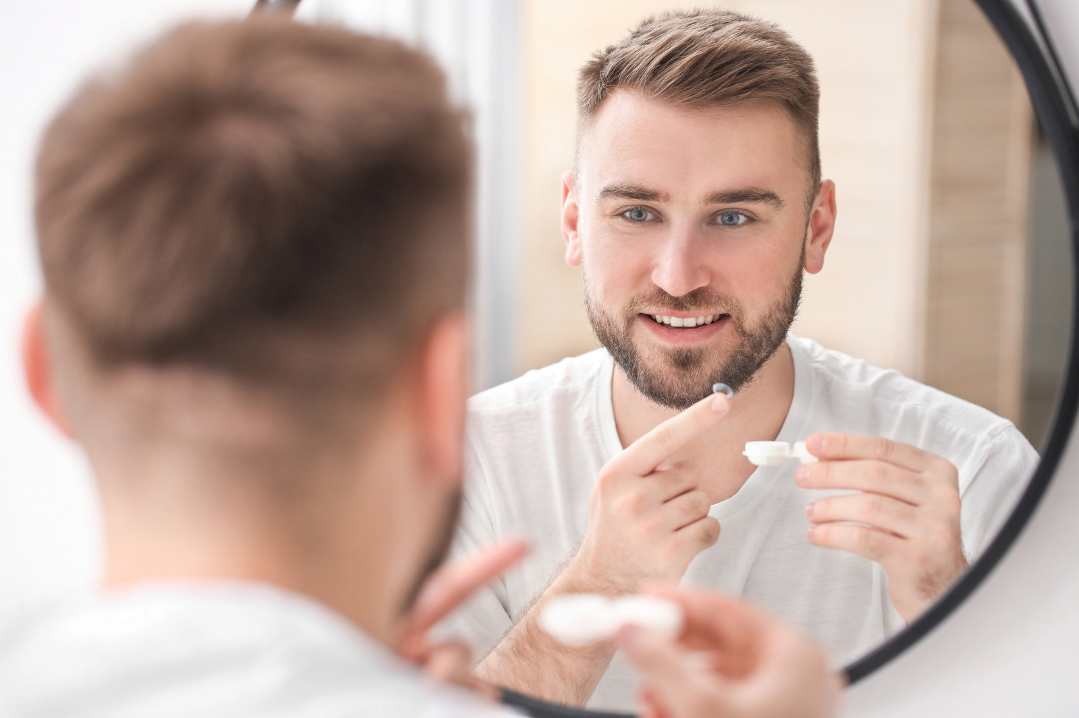
Contact lenses are one of the most convenient ways to correct vision. They slip into daily life so easily that, after a while, most wearers barely think about them at all. The routine becomes second nature: open the case/blister, insert, go. For many Australians, contact lenses feel less like a medical device and more like a familiar part of their morning routine.
And that’s exactly why Contact Lens Safety Month exists.
Because confidence, comfort, and habit (while wonderful) can quietly erode the care that keeps eyes healthy.
When Routine Turns Casual: The Gradual Slip in Lens Care
Long‑term contact lens wearers rarely notice when their habits start to slip. It doesn’t happen overnight. It happens in the small moments:
“I’ll clean them next time,” because you’re running late. A lens worn a little longer because you’re busy. A case or cleaning fluid replaced later than you meant to. A tiny bit of dryness you ignore because it goes away.
None of these moments feel dangerous. They feel normal. But eye health doesn’t always decline in dramatic leaps. Rather, it can change slowly, systematically, and often without pain. That’s why yearly eye tests matter. Not only to change your prescription or switch your lens type, but to catch the subtle signs that ‘confidence in the routine’ sometimes hides.
Why a 12 Month Eye Test Matters More Than You Think
For long‑time wearers, the biggest risks aren’t necessarily dramatic infections or sudden complications. They’re often the gradual issues that build when care becomes casual:
- A drop-off in hygiene regarding lens care that accumulates over months
- Lens overwear that becomes a habit rather than an exception
- Early eye surface changes that feel like “just dryness”
These are the kinds of problems that only show up under a microscope, a slit lamp, or an optometrist’s trained eye. You can’t feel them. You can’t see them. But they matter because they may be early signs of complications that are preventable when caught early.
A yearly contact lens check is a reset and a reminder: A moment to make sure your eyes are coping with the routine you’ve built. A chance to catch small issues before they become big ones. And a reminder that even confident wearers can benefit from a little recalibration.
The Reality: Contact Lenses Are Safe — When the Eyes Behind Them Are Safe
Most contact lens wearers are doing well. They’re comfortable. They’re confident. They’re experienced. But experience doesn’t replace oversight. Even the best wearers benefit from a yearly check‑in, because the eye changes with age, environment, lifestyle, and health. And the truth is simple: A 12‑month eye test is the easiest way to keep contact lenses safe for the long term.
It’s not about expecting a prescription change. It’s not about switching from dailies to monthlies. It’s not about fixing a problem.
It’s about protecting the eyes that make contact lenses possible.
How Optical Superstore Supports Long Term Contact Lens Wearers
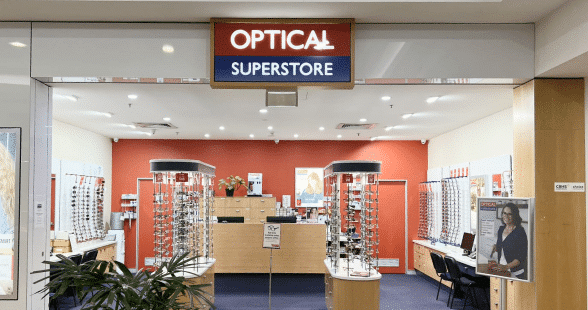
Optical Superstore makes yearly contact lens checks simple, accessible, and practical. Tenant optometrists located in-store provide:
- Bulk billed contact lens eye tests for eligible persons
- Checks for eye health issues: dryness, inflammation, or corneal surface changes
- Advice tailored to your lens type, lifestyle, and wear patterns
It’s a quick appointment — but it protects your eyes for years of comfortable lens wear.
Protecting Your Eyes Starts with One Annual Decision
Contact Lens Safety Month reminds us that good habits don’t stay good on their own. They need a moment of attention now and then. For long‑time wearers, that moment is your yearly eye test.
Make your annual contact lens check a priority and keep your contact lens routine working at its best.
The information contained in this article is general in nature and does not take individual health circumstances into account. It should not be used as a substitute for professional eye care or medical advice. Always seek guidance from your healthcare provider or eye care professional.